

Feeling Flat, Fatigued and Frustrated? Your Bloods Might Have the Answer.
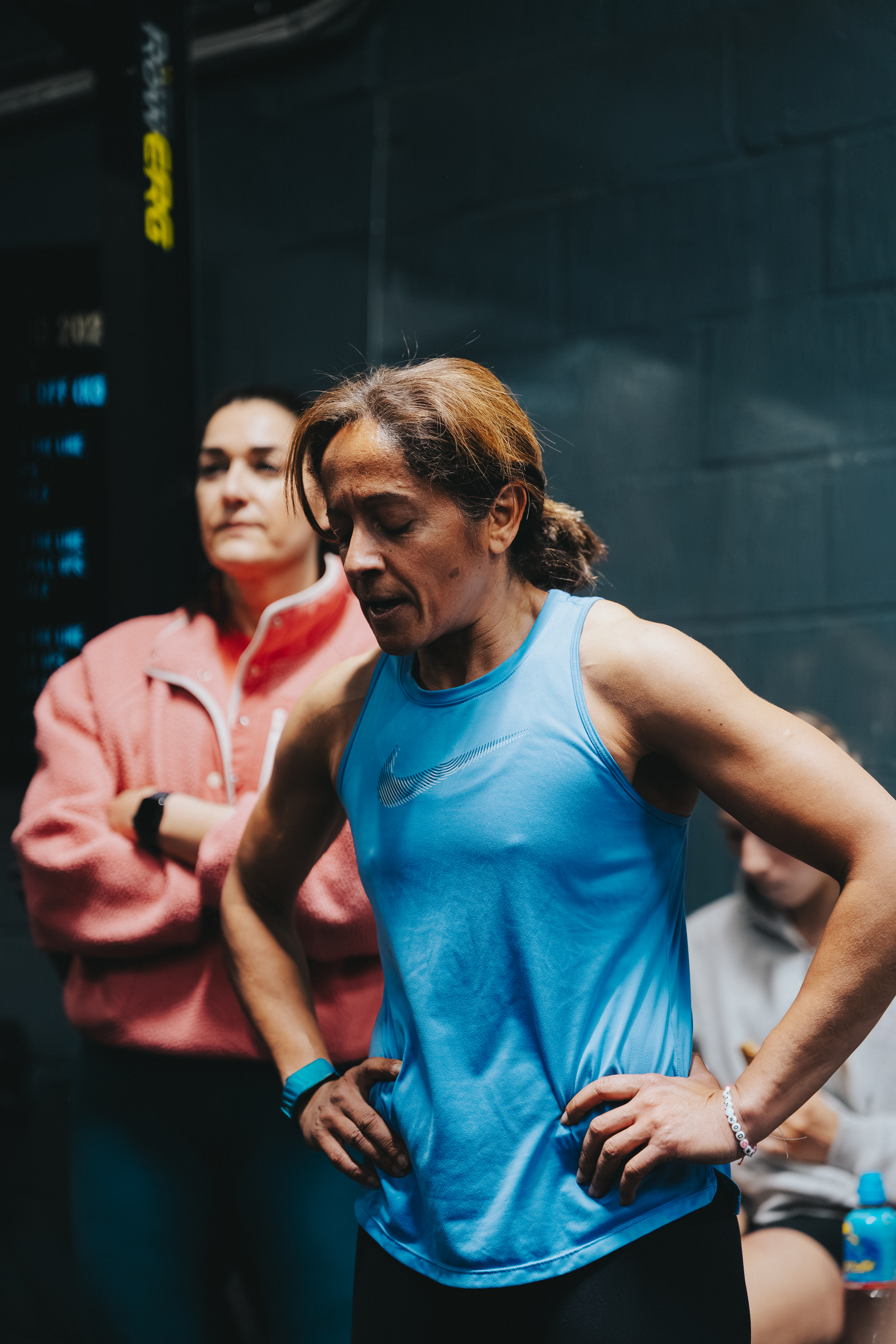

There’s a particular kind of tiredness athletes talk about that doesn’t feel normal. Not just “I had a hard session yesterday” tired, but the sort where your legs feel heavy on every run, your motivation disappears, recovery drags on for days and suddenly sessions that used to feel manageable become a grind.
A lot of runners and endurance athletes assume they simply need more discipline, better sleep or a stronger mindset. But quite often, the issue is physiological rather than psychological. And this is where blood testing can become incredibly useful.
As sports nutritionists, we spend a surprising amount of time talking about ferritin, vitamin D, B12 and thyroid markers — because these are often the hidden reasons athletes feel persistently exhausted despite training well.
The “normal” blood result problem
One of the biggest frustrations for athletes is being told their blood work is “normal” when they still feel awful. Technically normal and optimal for performance are not always the same thing. For example, ferritin, the marker used to assess iron stores, can sit within laboratory reference ranges while still being too low to properly support endurance training. Iron plays a crucial role in oxygen transport, energy production and recovery, so even low iron stores without full-blown anaemia can affect performance and fatigue levels in endurance athletes.
This is particularly common in runners, especially female athletes, plant-based athletes and anyone doing high training volumes.
Why endurance athletes are more vulnerable to low iron
Distance running is surprisingly demanding on iron status.
There are several reasons for this:
Repetitive foot strike can contribute to red blood cell breakdown
Heavy training increases inflammation and hepcidin, a hormone that temporarily reduces iron absorption
Athletes often under-fuel unintentionally
Sweat and gastrointestinal losses can contribute over time
Restrictive eating patterns can reduce iron intake
Research consistently shows iron deficiency is common in endurance athletes, even before anaemia develops. What’s interesting is that athletes often notice the symptoms long before blood markers become dramatically abnormal.
Signs your bloods may be worth checking
Some common signs I see in clinic include:
Feeling unusually flat in sessions
Needing longer to recover
Breathlessness at intensities that used to feel comfortable
Persistent heavy legs
Brain fog or poor concentration
Increased illness frequency
Poor sleep despite exhaustion
Declining pace despite consistent training
Feeling cold more often
None of these automatically mean iron deficiency, but together they can point towards something worth investigating.
It’s not always iron
Iron gets most of the attention, but it’s not the only thing that matters.
Depending on symptoms, training load and medical history, it can also be useful to assess:
Vitamin B12
Folate
Vitamin D
Thyroid function
Blood glucose regulation
Markers of inflammation
Hormonal health
Energy availability
Low energy availability, essentially not eating enough to support both training and basic physiological function, is something we’re recognising more frequently in endurance sport. It can affect hormones, recovery, immunity and iron regulation simultaneously.
And importantly, you do not have to look visibly underweight for this to be happening.
The under-fuelling trap
Many runners accidentally under-fuel because modern nutrition messaging can become confusing very quickly.
People hear:
“Don’t eat too many carbs”
“Train fasted”
“Stay lean for performance”
…and before long they’re trying to complete marathon training on the fuel intake of someone doing two yoga classes a week. Endurance training is metabolically expensive. Carbohydrate availability matters for both performance and recovery, and chronically low intake can contribute to fatigue, poor adaptation and increased physiological stress. Sometimes the most performance-enhancing thing an athlete can do is simply eat enough consistently.
Blood tests are information, not judgement
This part matters. Athletes can become oddly emotional about blood test results. Some feel relieved to finally have an explanation; others feel disappointed when everything appears normal. But blood work should never be viewed as a pass/fail assessment of health or effort. It’s simply information. A snapshot. One useful piece of the wider picture. Good sports nutrition is rarely about chasing “perfect” biomarkers. It’s about understanding how training, recovery, fuelling and physiology interact.
The bigger picture
If you’ve been feeling persistently fatigued for weeks or months, don’t automatically assume you’ve lost fitness or motivation. Sometimes your body is simply asking for support.
A well-interpreted set of bloods, alongside a proper look at training load, fuelling habits, sleep and recovery, can often uncover issues that are very fixable. And quite often, athletes don’t need to train harder. They need to recover better, fuel better and stop trying to out-train physiology


Comments